What Actually Happens During an Emergency Apartment Lockout
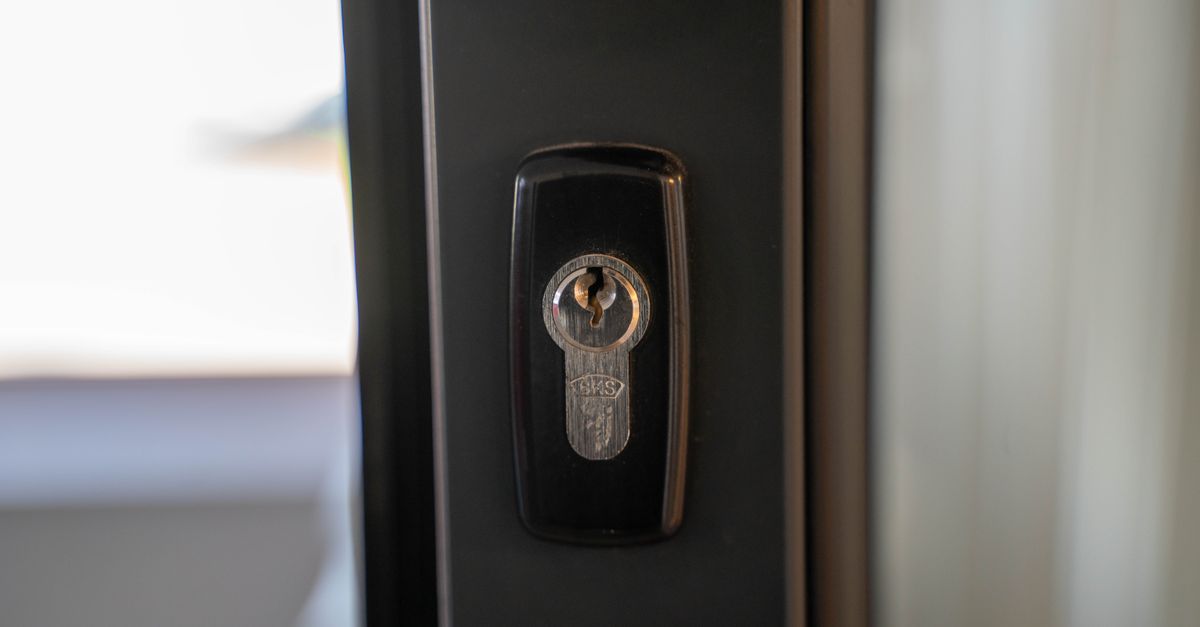
When our mobile technician arrives at your building, the first step is always ownership or residency verification — a piece of mail, a lease document on your phone, or a building super who can vouch for you. This is a standard and necessary step that any reputable locksmith follows, and our team carries it out respectfully and quickly. We are not here to interrogate you; we are here to get you inside safely. Once verification is done, the technician assesses the specific hardware on your door. In Long Island City buildings, this commonly means evaluating whether you have a cylinder deadbolt, a door knob lock, a rim latch, or — especially in older pre-war and converted-loft buildings — a full mortise lock set recessed into the door edge.
Non-destructive entry is always the goal. Our technicians use professional picking, decoding, and bypass methods appropriate to the lock type, none of which damage the door, the frame, or the lock body itself when the process is performed correctly. Drilling or other destructive methods are a genuine last resort, reserved only for locks that are internally seized, damaged before our arrival, or of a design that physically cannot be opened any other way. In the vast majority of residential lockout calls we handle across New York, the door is opened cleanly and the lock continues to function exactly as it did before.