What Burglars Actually Do to Your Door — and Why It Matters for Repair
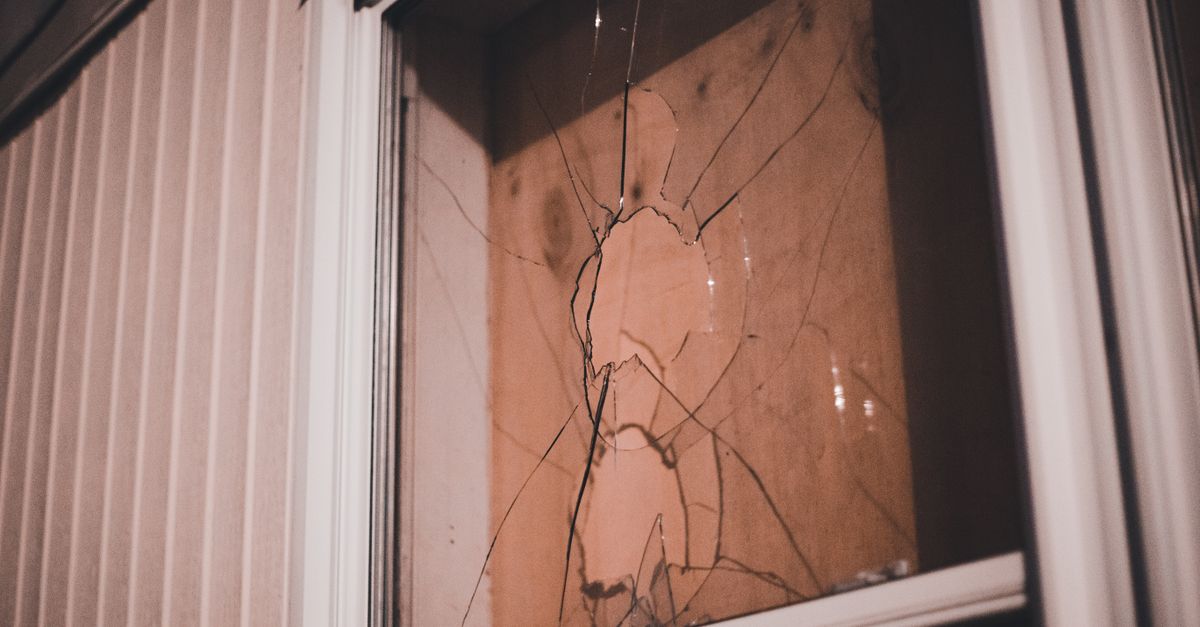
When a door is forced open, the damage is rarely limited to the lock itself. Burglars most commonly attack the weakest points: the door knob lock, the strike plate, the door frame, and — on older New York buildings — the mortise lock housing recessed into the door edge. A kicked-in door typically splits the frame at the strike plate area, shearing the screws and cracking the wood or metal. A pried door may warp the frame or bend the door slab itself. A defeated door knob lock often shows a broken latch mechanism, a spun cylinder, or a completely removed knob assembly. Understanding the actual failure point is what separates a genuine repair from a cosmetic patch that leaves you vulnerable the same night.
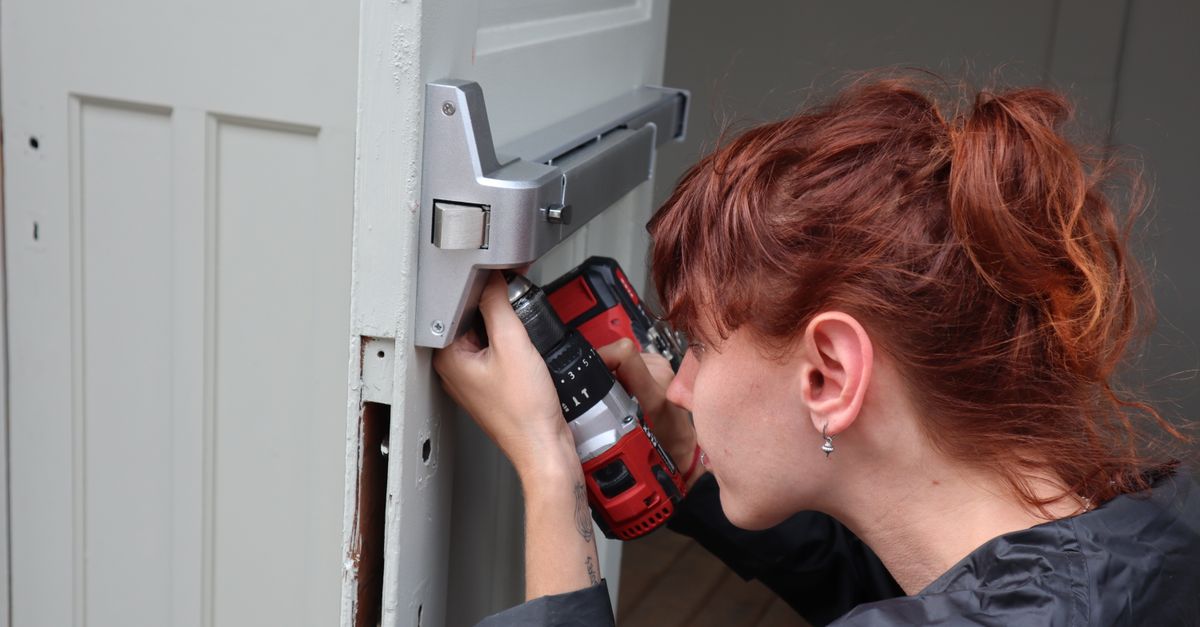
Mortise locks — the rectangular lock bodies installed inside a pocket cut into the door — are common on pre-war New York apartment buildings and commercial properties throughout Queens and Manhattan. When burglars attempt to defeat a mortise lock, they often attack the cylinder or lever with brute force, cracking the lock case or pulling the cylinder entirely from the door. This type of damage requires more than swapping a cylinder; the entire mortise body, the trim, and sometimes the surrounding door material all need professional evaluation. Our technicians are experienced specifically with mortise lock systems and carry replacement hardware for the most common profiles used across New York's older building stock.