Long Island City Locksmiths Service Team
Local locksmith team
Jun 4, 2026 10 min read
A door knob lock that suddenly refuses to turn is one of those frustrating problems that always seems to happen at the worst possible moment — rushing out the door on a weekday morning, coming home late after a long shift, or stepping out to grab groceries only to find yourself locked out on the stoop. Before you assume the lock is broken beyond repair and start shopping for a replacement, it is worth taking a few minutes to diagnose what is actually going on. In many cases, the fix is simpler and less expensive than you might expect.
This guide walks you through the most common reasons a door knob with lock stops working — from worn internal mechanisms and misaligned strike plates to dry or corroded components — and what you can realistically do yourself before calling a professional. We will also be honest about when DIY troubleshooting has gone as far as it can and it is time to bring in a skilled locksmith, particularly for more complex hardware like a mortise lock system that requires hands-on expertise to service safely.
## Why Your Door Knob Lock Is Sticking: The Most Common Culprits
The number one reason a knob lock stops turning smoothly is a lack of lubrication. Over time, the internal pin tumblers and spring mechanisms dry out — especially in older New York City apartments and homes where the hardware may not have been serviced in years. Metal-on-metal friction builds up gradually, so the lock feels stiffer and stiffer until one day it simply will not rotate. Queens and Long Island City in particular see a wide range of housing stock, from pre-war walk-ups near the Queensboro Bridge to newer mixed-use buildings along Jackson Avenue, and older door hardware in those buildings is especially prone to this issue.
A second common cause is a bent or damaged key. If your key has even a slight warp — common after years of being tossed into bags or sat on in a pocket — it may no longer align precisely with the lock's internal pins. Try a spare key if you have one. If the spare turns smoothly, your original key is the problem, not the lock. A third culprit is a misaligned latch bolt: if your door has shifted due to humidity, seasonal swelling, or a settling frame, the latch may be pressing against the strike plate at the wrong angle, making the knob feel jammed even though the lock cylinder itself is perfectly functional.
## How to Troubleshoot a Stuck Door Knob with Lock Before Replacing It
Start with lubrication. Graphite powder or a dry PTFE (Teflon) spray — available at most hardware stores — works far better inside a lock cylinder than WD-40, which attracts dust and gums up the mechanism over time. Apply a small amount directly into the keyhole, insert your key, and work it in and out several times to distribute the lubricant across the pins. Then try turning slowly. In many cases this alone restores full function to a door knob with lock and key that felt completely seized.
If lubrication does not help, examine the strike plate on the door frame. Loosen the screws slightly and try opening and closing the door to see whether the latch engages more freely. If the latch is visibly dragging or catching on the plate edge, the plate may simply need to be repositioned or the mortise pocket in the frame deepened slightly with a chisel. Also check the hinge screws — loose hinges are one of the most overlooked causes of latch misalignment, and tightening them takes less than two minutes. If your door has a mortise lock rather than a standard cylindrical knob lock, be cautious: mortise lock bodies are more complex, with multiple levers and cam mechanisms inside the door edge, and improper adjustment can cause the deadbolt or latch to bind in ways that are difficult to reverse without professional tools.
## When the Problem Is Inside the Lock Cylinder: Wear, Damage, and Corrosion
If lubrication and alignment fixes do not resolve the issue, the problem is likely internal. A worn or broken key pin, a fatigued spring, or a corroded cylinder can all prevent a door knob lock from turning even when the correct key is inserted. Corrosion is particularly common in exterior-facing locks exposed to New York winters and salt air — you may notice green or white residue around the keyhole, which is a sign that moisture has been working its way inside. At this stage, the cylinder usually needs to be re-keyed or replaced entirely.
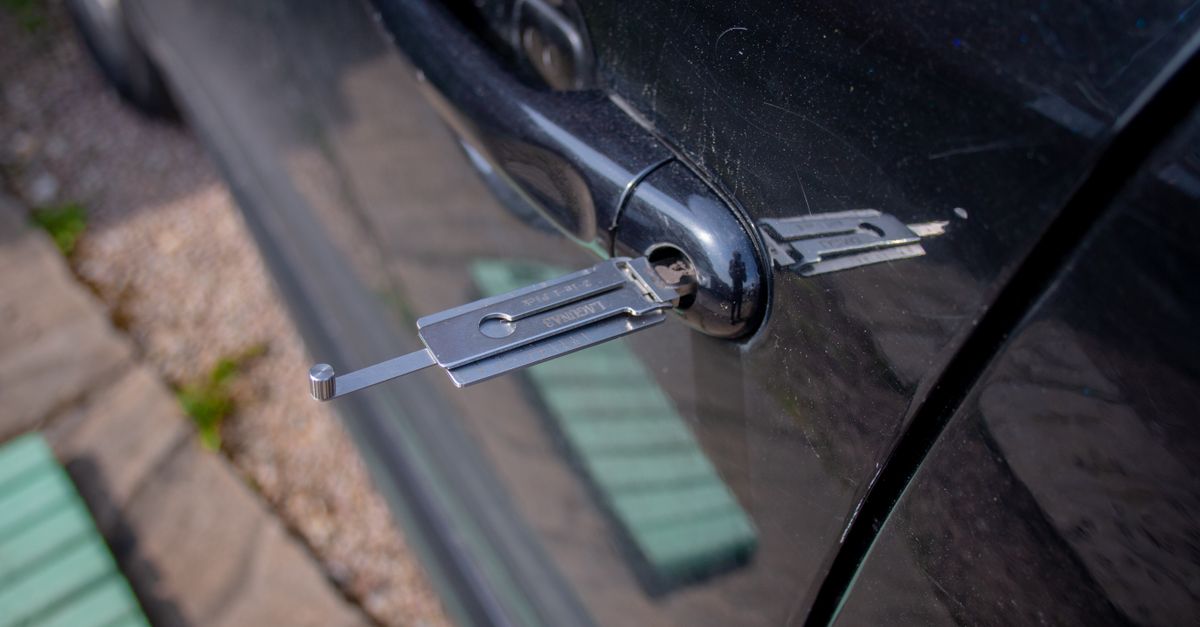
This is also the point where homeowners sometimes search for how to pick a door knob lock as a DIY solution to get back inside. We want to be straightforward here: lock picking requires specialized tools and considerable practice, and doing it incorrectly can permanently damage the cylinder or jam the plug, turning a manageable repair into a full lock replacement. More importantly, attempting to bypass your own lock without being able to verify ownership on the spot can create complications with neighbors or building management. The right move is to check for a spare key held by a trusted neighbor or building super, look for an unlocked secondary entrance, and if neither is available, call a professional locksmith who can open the door without destructive methods and assess the cylinder's condition at the same time.
If you are in Long Island City or anywhere across the New York area and need help right now, our team is available around the clock. Call (347) 960-2142 and a trained technician will be dispatched to your location — no waiting until morning.
## Mortise Lock vs. Cylindrical Knob Lock: Knowing Which Hardware You Have
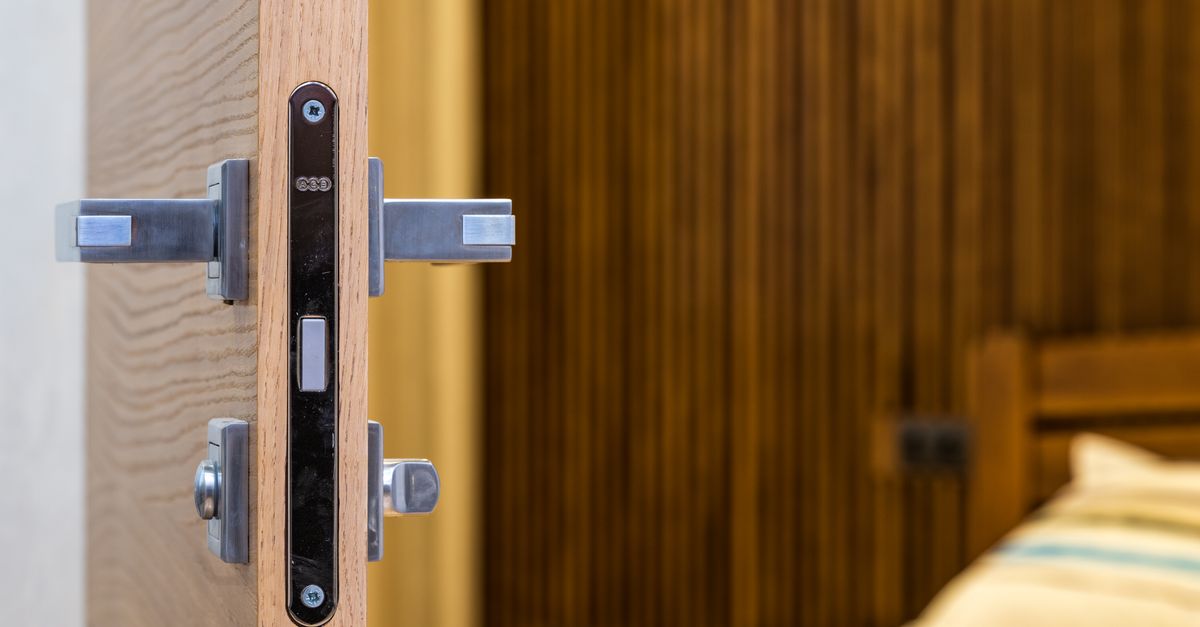
Understanding what type of lock is on your door changes how you approach any repair. A standard cylindrical door knob with lock sits in a round hole bored through the door and is the most common type in residential apartments. A mortise lock, by contrast, is set into a rectangular pocket cut into the door edge and typically includes a combined latch and deadbolt in one steel body. Mortise locks are common in older New York City buildings and offer a higher level of security, but they are significantly more involved to service or replace. If you open the edge of your door and see a large metal box rather than a small round latch assembly, you have a mortise lock.
For a mortise lock that will not function correctly — whether it is a knob that spins freely without retracting the latch, a thumb turn that feels loose, or a cylinder that has stopped responding to the key — the repair process involves removing the entire lock body from the door pocket, inspecting or replacing internal levers, and reassembling with precise alignment. This is work that benefits enormously from an experienced hand. A skilled locksmith with genuine mortise lock experience can often rebuild or re-key the existing hardware rather than recommending a full replacement, which saves both time and cost.
## Commercial Locksmith Services and When to Call an Emergency Locksmith
While most of what we have covered applies to residential settings, businesses in Long Island City and across NYC face the same issues — and often with higher stakes. A stuck or malfunctioning door knob with lock on a storefront, office, or commercial property can interrupt operations, compromise security, or lock employees out during business hours. Commercial locksmith work on these properties frequently involves higher-grade cylindrical locks, mortise lock systems, panic hardware, and access control integration. Attempting to force or bypass commercial-grade hardware without the right training almost always results in expensive damage to the door or frame.
If you are dealing with a lockout or a failed lock at any hour, that qualifies as a situation for an emergency locksmith. Our mobile team serves the New York area 24 hours a day, seven days a week, and we carry the tools and parts to address the most common lock failures on the spot — whether that is a residential knob lock in a Jackson Heights apartment building or a mortise lock on a commercial property near the Hunts Point market. When you call (347) 960-2142, we confirm an exact up-front price before any work begins, so there are no surprises on the invoice. The factors that go into that quote include the type of lock involved, the parts required, the time of day, and our travel distance to your location — all of which we walk you through transparently on the call.
Frequently asked questions
How much does a NYC locksmith cost, and how much is the average locksmith charge?+
There is no single flat rate because several variables shape the final price: the type of lock being serviced (a standard cylindrical door knob lock is priced differently from a mortise lock body that requires partial disassembly), whether parts such as a new cylinder or lock body are needed, the time of day the work is performed, and the distance our technician travels to reach you. What we can promise is that we confirm an exact price with you before any work begins — no hidden fees added afterward. To get a precise quote for your specific situation, call us at (347) 960-2142.
How much does an emergency locksmith cost near me, and is there a call-out fee?+
Emergency locksmith pricing reflects the same factors as standard service — lock type, parts, time of day, and travel — with the addition that after-hours and urgent calls may carry a different rate than a scheduled daytime appointment. Some locksmiths charge a separate call-out fee on top of the labor rate; others bundle it into a single quote. Our approach is straightforward: when you call (347) 960-2142, we ask a few quick questions about your situation and give you a clear, all-in price before we dispatch a technician. You know exactly what you are agreeing to before anyone gets in a vehicle.
How do I find a legit locksmith in New York, and how do I avoid scams?+
This is a genuinely important question in New York City, where online listings are not always what they appear to be. A few practical steps: verify that the locksmith has a real, answerable local phone number rather than a call-center redirect; confirm that the technician who arrives is the same company you called; ask for the price in writing or verbally confirmed before work starts; and be cautious of any locksmith who suddenly raises the quoted price after arrival or insists on drilling your lock without first attempting non-destructive entry. Experienced, insured locksmiths with a verifiable local presence — like our team at Long Island City Locksmiths — will have no hesitation answering questions about their process and pricing before you commit to anything. Call us at (347) 960-2142 if you want to ask questions before booking.
Can I pick my own door knob lock if I am locked out?+
We understand why people search for how to pick a lock door knob when they are standing outside their own door with no key — it feels like the most direct solution. In practice, though, lock picking without proper tools and training carries a real risk of damaging the cylinder plug or breaking a pick inside the keyhole, which can turn a lockout into a full lock replacement. Beyond the mechanical risk, attempting to pick a lock in a shared building or apartment complex can raise legitimate concerns with neighbors or building staff. The safer and more reliable path is to first check for a spare key with a trusted person, try any secondary entrances, and then call a professional locksmith who carries the right tools to open the door without damage and can also assess whether the lock needs repair or rekeying while on site.