Long Island City Locksmiths Service Team
Local locksmith team
Jul 16, 2026 10 min read
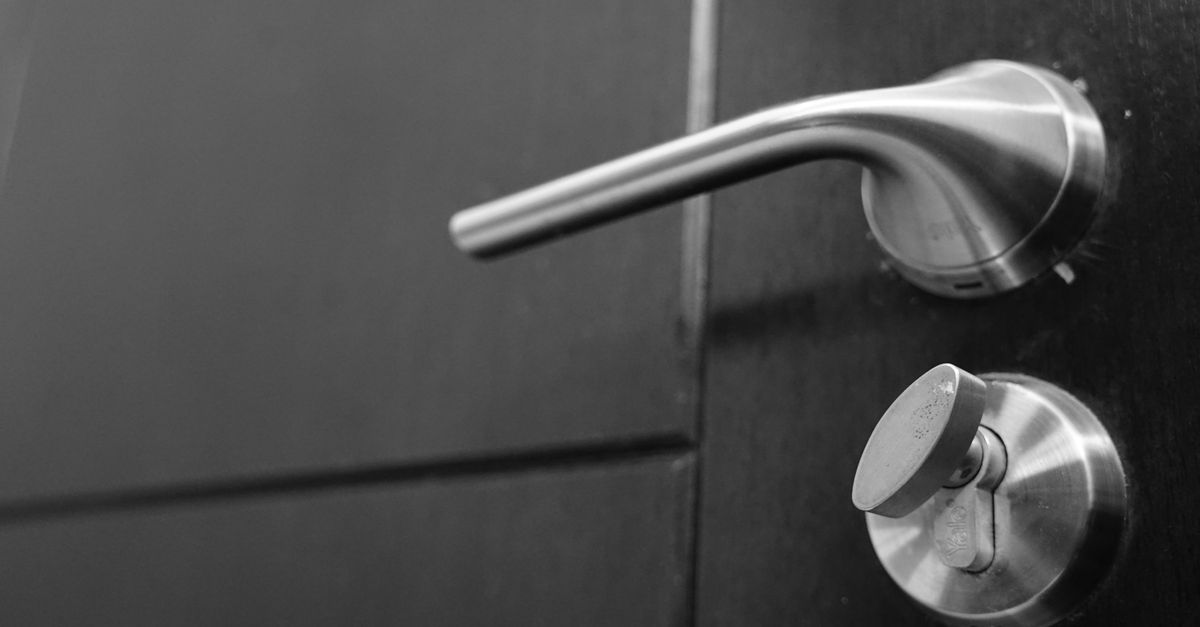
If you've ever moved into a pre-war apartment along Queens Boulevard or in one of Long Island City's older walk-ups near the Pulaski Bridge, you've probably encountered one: a heavy, rectangular lock mechanism set deep into the door edge, with a long faceplate and a keyhole that looks like it belongs in a black-and-white movie. That's a mortise lock — and it's not a relic someone forgot to update. It's a deliberate piece of engineering that New York City's building stock has depended on for well over a century.
Long Island City is one of the most architecturally layered neighborhoods in all of New York. Converted industrial lofts, 1920s brick walk-ups, and gleaming new towers all share the same blocks. In the older buildings — and there are plenty of them — mortise locks are still the standard, and for good reason. Understanding why they're there, how they work, and what to do when they act up can save you time, money, and a lot of frustration the next time you're standing in a hallway at midnight wondering why your key won't turn.
## The History Behind Mortise Locks in NYC's Older Buildings
New York City's construction boom ran roughly from the 1880s through the 1940s, and during that entire era, the mortise lock was the dominant residential and commercial door security standard. Unlike a modern cylindrical lock — where the locking mechanism sits mostly inside the knob or lever itself — a mortise lock is set into a deep rectangular pocket, or 'mortise,' cut directly into the door. The body of the lock contains its own internal deadbolt, latch, and sometimes an auxiliary bolt, all within one self-contained unit. This design made it incredibly robust and difficult to kick in, which mattered enormously in the dense, high-traffic apartment buildings being built across Queens and Manhattan at the time.
City building codes and landlord practices of the era standardized mortise hardware across entire blocks of residential construction. When a builder put up a six-story walk-up in Hunters Point in 1928, they installed mortise locks on every unit — and many of those same locks are still functioning today. That longevity isn't a coincidence. The internal components — the bolt works, the cam, the cylinder — are all replaceable individually, which means a well-maintained mortise lock can outlive the door it's mounted on. This is exactly why so many Long Island City apartments still have them: they simply never needed to be replaced wholesale.
## Why a Mortise Lock Is Often Worth Repairing, Not Replacing
When a mortise lock starts sticking, the key becomes hard to turn, or the latch stops retracting cleanly, the instinct for many tenants and owners is to rip it out and install something modern. That's usually the more expensive and disruptive choice. Replacing a mortise lock requires filling or re-mortising the door — a carpentry job — and then fitting new trim, a new strike plate, and potentially a new door knob lock or lever set. On a solid hardwood or steel-clad door common in older LIC buildings, that work adds up fast. More often, what looks like a failing lock is actually a worn cylinder, a dried-out or corroded internal mechanism, or a door that has shifted slightly in its frame over decades of settling.
A skilled locksmith can disassemble a mortise lock body, clean and lubricate the internal works, replace a worn cam or tailpiece, and re-key or replace just the cylinder — all without touching the door itself. The result is a lock that operates as smoothly as the day it was installed, with full security integrity restored. For buildings in Long Island City where original hardware is a selling point — especially in the converted loft spaces near the waterfront and the landmarked blocks closer to the Queensboro Bridge — preserving original mortise hardware is both practical and aesthetically smart. If your mortise lock is giving you trouble, call (347) 960-2142 and our team will assess whether a repair is the right call before recommending anything more involved.
## Common Mortise Lock Problems and What They Actually Mean
Most mortise lock issues fall into a handful of categories. A key that turns stiffly or not at all usually points to a worn or dirty cylinder — the plug that the key rotates — rather than a failed lock body. A latch that doesn't spring back, or that catches on the strike plate, is often caused by a dried-out spring inside the lock case or a door that has racked slightly out of square due to settling or humidity changes. A deadbolt that no longer throws fully is sometimes a sign of a misaligned strike plate, but can also mean the internal cam has worn down. None of these are emergencies requiring a full lock replacement — they're service calls.
There's one scenario that does warrant urgency: if a mortise lock cylinder has been damaged by an attempted forced entry, or if the lock case itself is cracked or bent, you're looking at a security gap that needs same-day attention. Long Island City's mix of residential density and foot traffic near the Court Square and Queensboro Plaza subway stops means building entry security matters. Our emergency locksmith team is available around the clock for exactly these situations — whether it's a damaged lock that needs immediate replacement or a locked-out tenant who simply can't get their key to cooperate at 2 a.m.
## What to Expect When You Call a Locksmith for a Mortise Lock Job
When you reach out to us, the first thing we'll ask is what's happening with the lock and what type of door and building you're dealing with. Mortise lock work on a solid wood door in a 1930s walk-up is a different job from servicing a mortise lock on a commercial-grade steel door in one of LIC's converted warehouse spaces. Several factors shape the final quote: the specific lock model and its parts availability, the nature of the repair or replacement needed, the time of day you're calling, and our travel distance to your location. What never changes is our approach — we confirm an exact price with you before any work begins, so there are no surprises on the invoice.
For straightforward cylinder replacements or re-keys on a standard residential mortise lock, the job is typically completed in a single visit. More complex work — like sourcing a period-appropriate lock case for a landmarked-building unit, or repairing a commercial mortise lock with a multipoint latch system — may require us to source specific parts, but we'll walk you through the timeline clearly. We also handle the full range of related work: door knob lock replacement, strike plate reinforcement, and auxiliary deadbolt installation to bring an older door up to current security expectations without compromising the original hardware where possible.
## How to Know You're Dealing With a Legitimate Locksmith — and What to Watch For
Finding a legit locksmith in New York City isn't as simple as it should be. The industry has a well-documented problem with bait-and-switch operations that quote one price on the phone and present a dramatically higher bill at the door. Here's how to protect yourself: always ask for a firm, itemized quote before work starts — a professional locksmith will give you one. Ask whether the technician is experienced with your specific lock type; mortise locks require hands-on familiarity that not every generalist locksmith has developed. Be cautious of any service that refuses to confirm a price until after they've opened the door or started disassembly.
You should also verify that the locksmith you're calling is insured and has a physical presence or traceable service history in the area — not just a landing page that appeared overnight. At Long Island City Locksmiths, we're insured, our team is trained and experienced on both residential and commercial lock systems, and we've built our reputation street by street across Queens. When cost questions come up — and they always do — the honest answer is that factors like lock complexity, parts needed, and time of call determine what a job costs. What we can tell you is that we'll never start work without giving you that number first. Call (347) 960-2142 any time — day or night — and you'll get a straight answer.
## Our Full Range of Locksmith Services in Long Island City and Greater NYC
Our mobile team handles a wide spectrum of work across the New York area, including: residential mortise lock repair and replacement, mortise lock cylinder re-keying, high-security cylinder upgrades for mortise lock bodies, door knob lock installation and replacement, deadbolt installation on new and existing doors, strike plate reinforcement and door frame repair, emergency lockout response for apartments and homes, emergency lockout response for commercial properties, master key system design and implementation, commercial mortise lock service for office and retail spaces, access control system installation, intercom and buzzer lock integration, mailbox lock replacement, storage unit lock service, padlock removal and replacement, car lockout service, automotive key cutting and duplication, transponder key programming, lost car key replacement, key fob repair and replacement, ignition lock cylinder service, garage door lock and handle repair, door closer adjustment for heavy commercial doors, window lock installation and repair, sliding door lock replacement, safe opening and combination changes, and after-hours emergency locksmith response across all five boroughs. Whether the job is a century-old mortise lock in a Hunters Point walk-up or a modern electronic access panel in a Court Square office tower, our team has the hands-on experience to handle it correctly the first time.
Frequently asked questions
How much does a NYC locksmith cost?+
There's no single flat rate because several variables shape every quote: the type of lock involved (a mortise lock body service is more involved than a simple re-key), the parts required, the time of day, and travel distance to your location. What we commit to is transparency — before any work begins, we give you a confirmed price so you know exactly what you're agreeing to. There are no hidden charges added after the job is done.
How much does an emergency locksmith cost near me, and is there a call-out fee?+
Emergency locksmith pricing reflects the after-hours availability, rapid response, and the specific work needed — whether that's opening a locked door, replacing a damaged mortise lock cylinder, or repairing a failed latch at 3 a.m. Some locksmiths charge a separate call-out or dispatch fee on top of the service cost; we structure our quotes to cover the full scope of the job clearly, so you're not surprised by line items you didn't anticipate. The best way to get an accurate number for your specific situation in Long Island City or anywhere in the NYC area is to call (347) 960-2142 — we'll give you a straight quote on the spot.
How do I find a legit locksmith in New York City?+
Start by looking for a locksmith with a verifiable local presence, a traceable service history, and insurance. Ask direct questions: Are you insured? Can you give me a firm price before starting? Are you experienced with my specific lock type? A trained, professional locksmith will answer all three without hesitation. Be cautious of services that only exist as a generic web listing with no local footprint — these are often the operations responsible for bait-and-switch pricing complaints. We encourage you to ask us these questions directly when you call.
Is it better to repair or replace a mortise lock in an older NYC apartment?+
In most cases, repair is the smarter first step — and often the more cost-effective one. Mortise locks are designed to be serviced rather than replaced wholesale. A worn cylinder, a stiff latch, or a misaligned bolt can almost always be corrected without touching the lock body itself. Full replacement only makes sense when the lock case is physically damaged, when the hardware is incompatible with a security upgrade you're planning, or when the internal mechanism is beyond economic repair. A qualified locksmith should assess the lock in person before recommending replacement — and that's exactly what our team does.